
alloClae™ offers a new way to restore soft, natural-looking volume to the body without liposuction. Board-certified plastic surgeons Dr. Jerome Liu and Dr. Tom Liu provide alloClae in San Francisco and the Peninsula from our SVIA® San Mateo office.


Board-Certified Plastic Surgeons Bringing alloClae™ to the Peninsula
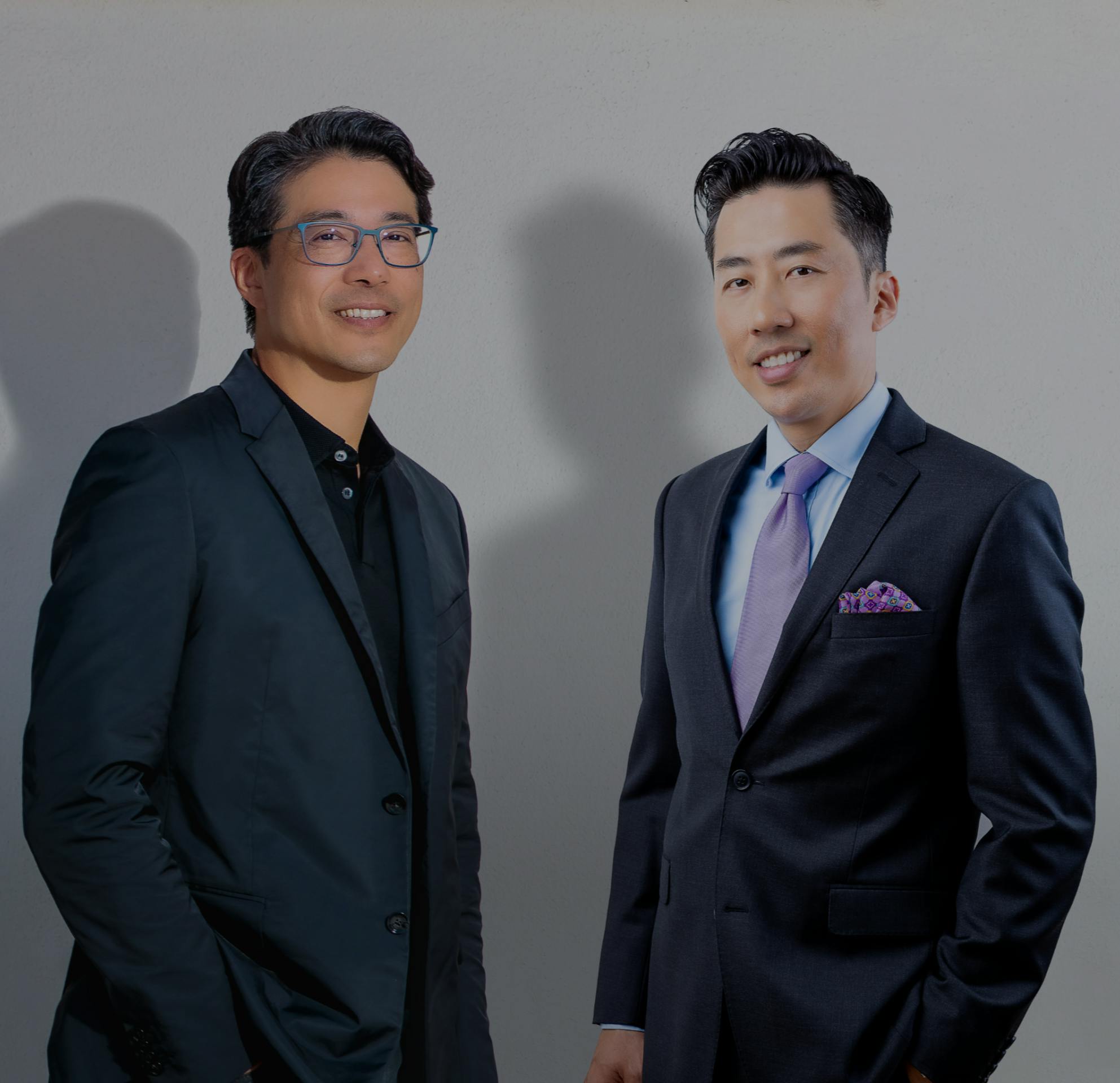
Adding alloClae to our body contouring menu reflects a simple priority: giving patients more precise, less invasive options. Dr. Jerome Liu and Dr. Tom Liu are both certified by the American Board of Plastic Surgery and are members of the American Society of Plastic Surgeons and the American Society for Aesthetic Plastic Surgery.
Having met during residency at UCLA, the two surgeons founded the Silicon Valley Institute for Aesthetics (SVIA®) on a shared commitment to refined, natural results. Their experience with fat grafting and body contouring informs how they plan every alloClae treatment at our office at 66 Bovet Road in San Mateo.

What is alloClae™? How Structural Adipose Filler Works
alloClae is a structural adipose filler made from carefully screened donor fat tissue. Processing removes living cells while keeping the tissue's natural three-dimensional structure and extracellular matrix, the framework that supports fat. Once placed beneath the skin, alloClae adds volume, cushioning, and support in areas where fat naturally exists.
Regulation of alloClae falls under the FDA's framework for human tissue. The product is classified as a Section 361 human cell and tissue product (HCT/P). According to the U.S. Food and Drug Administration, products in this category must meet federal tissue requirements, including donor screening and testing, but are not required to be licensed, approved, or cleared.
Laboratory research supports how the material is designed to behave. A 2025 study in Bioengineering found that alloClae retains key structural proteins, including collagens, elastins, and laminin, and showed no harmful effects on cells in lab testing. Human clinical data is still emerging, which Dr. Liu discusses openly during every consultation.
Benefits of alloClae™
alloClae appeals to patients who want added volume without a surgical fat harvest. Key benefits include:
- No liposuction required: Because the filler arrives ready to use, there is no separate procedure to collect your own fat.
- An option for leaner patients: Patients without enough spare fat for a traditionalfat transfer can still restore volume.
- Immediate, visible volume: Improvement in contour is apparent right after treatment.
- Natural look and feel: As a fat-based material, alloClae is designed to blend with surrounding soft tissue.
- Limited downtime: Most patients resume daily routines quickly, with temporary swelling or bruising.
Where alloClae™ Can Be Used on the Body
alloClae is intended for localized areas of the body where fat is naturally present. Dr. Jerome Liu and Dr. Tom Liu commonly consider it for the following concerns:
- Hip dips and the lateral hip contour
- Buttock volume and shape
- Contour irregularities or indentations, including dents from prior liposuction
- Localized volume loss after weight loss
Why Choose SVIA® for alloClae™ in San Mateo
Precise volume placement depends on a detailed understanding of anatomy. That is where our surgeons' training stands out.
- Dr. Tom Liu, MD, MBA: Completed a sub-specialty fellowship in aesthetic surgery and microsurgery at the Plastic Surgery Institute of San Francisco and serves on the patient safety committee for the American Society for Aesthetic Plastic Surgery.
- Dr. Jerome Liu, MD, MSHS: Served as an Assistant Instructor and Aesthetic Fellow at UT Southwestern and the Dallas Plastic Surgery Institute and has authored or co-authored more than 50 peer-reviewed articles, chapters, and abstracts.
Beyond credentials, patients benefit from a full range of surgical and non-surgical body options under one roof. Dr. Liu can recommend alloClae, fat transfer, or a combined plan based on what will actually serve your goals.
What to Expect With alloClae™
Consultation and Cost of alloClae™
Your alloClae journey begins with a private consultation at our San Mateo office or through a virtual consultation. Dr. Liu evaluates the treatment area, discusses your goals, and may use our TouchMD patient education system to show how alloClae compares with other options.
Cost of alloClae depends mainly on the volume needed, the number of areas treated, and whether staged sessions are planned. You'll receive a personalized quote after your evaluation. Our team can also walk you through financing options.
The alloClae™ Treatment Experience
Treatment takes place in the office. After the area is marked and numbed with local anesthetic, Dr. Liu places alloClae beneath the skin through small entry points using a fine cannula or needle, shaping the contour as he goes. General anesthesia is not typically needed.
Recovery and Results Timeline
Recovery after alloClae is generally brief. Mild swelling, tenderness, or bruising is common for several days, and most patients return to work and light activity soon after. Your care team will explain when you can resume exercise and other strenuous activity.
Results are visible right away, then settle over the following weeks as swelling resolves and the filler integrates with your tissue. Surgeons interviewed by the American Society of Plastic Surgeons estimate that results last about one to three years so far, while noting that long-term data is still limited. Some patients choose touch-up treatments to maintain their contour.

alloClae™ FAQ
Is alloClae FDA-approved?
How long does alloClae last?
What are the risks of alloClae?
Does alloClae contain living cells?
Can alloClae be combined with other procedures?
How much does alloClae cost?
Is alloClae FDA-approved?
No. alloClae is regulated by the FDA as a Section 361 human cell and tissue product. Products in this category must meet federal requirements for donor screening, testing, and tissue handling, but they are not required to go through FDA approval or clearance.
How long does alloClae last?
Early experience suggests results last about one to three years, but long-term data is still being gathered. Stable weight helps preserve your outcome, and touch-up sessions can extend it.
What are the risks of alloClae?
Possible complications listed by the manufacturer include cysts or nodules, pain, infection, hematoma, allergic or immune reactions including anaphylaxis, and skin discoloration at the treatment site. Choosing a board-certified plastic surgeon helps minimize these risks.
Does alloClae contain living cells?
No. Processing removes living cells and reduces donor DNA while preserving the tissue's natural structure. Donor tissue is screened and tested for communicable diseases under federal tissue regulations.
Can alloClae be combined with other procedures?
The manufacturer notes that alloClae has not been formally studied in combination with other treatments. Dr. Liu may still include it in a broader contouring plan when it is appropriate for you, and will explain the reasoning during your consultation.
How much does alloClae cost?
Pricing is based on the volume of filler and the number of areas treated. You'll receive a personalized estimate after your consultation.