As an enduring symbol of femininity, a woman’s breasts can be an important aspect of self-esteem and body image. If you have always wanted larger breasts or if you want to restore your breast size and shape after pregnancy, weight loss, or aging, then you are a good candidate for a breast augmentation in San Francisco.

Table of Contents
What Is Breast Augmentation?
Breast augmentation is a surgical procedure that increases breast size and improves shape using implants or, in some cases, a patient's own fat. At SVIA® Plastic Surgery, Dr. Jerome Liu and Dr. Tom Liu perform breast augmentation to restore volume lost after pregnancy or weight changes, improve breast symmetry, or help patients achieve a fuller silhouette that fits their goals.
During surgery, an implant is placed either above or below the chest muscle through a small incision, most often along the fold beneath the breast. The choice of placement and implant type is tailored to each patient's anatomy, lifestyle, and desired outcome, which is why a thorough consultation with a board-certified plastic surgeon is the first step for anyone considering breast augmentation in San Mateo or the greater Bay Area.
What to expect: most patients go home the same day, wear a supportive garment for the first few weeks, and return to non-strenuous activity within 1 to 10 days. Final results settle in as swelling resolves, typically over two to three months.
According to the American Society of Plastic Surgeons (ASPS), breast augmentation was the second most-performed cosmetic surgical procedure in the United States in 2024, with 306,196 procedures, behind only liposuction. Its enduring popularity reflects both advances in implant technology and growing comfort among patients in openly discussing their aesthetic goals with a trusted surgeon.
Who is an ideal Candidate for Breast Augmentation in San Francisco?
Ideal candidates for breast augmentation in San Francisco are healthy individuals who:
- Want to improve the size, shape, or symmetry of their breasts
- Have realistic expectations about what breast augmentation can achieve
- Are in good overall health and able to safely undergo surgery
- Are comfortable with the potential risks, recovery, and long-term considerations of breast implants
Before & After Breast Augmentation
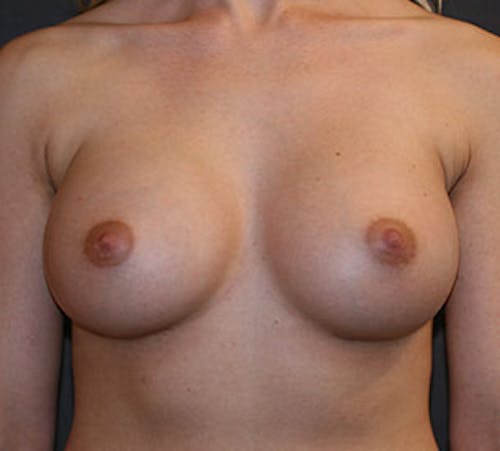
View Gallery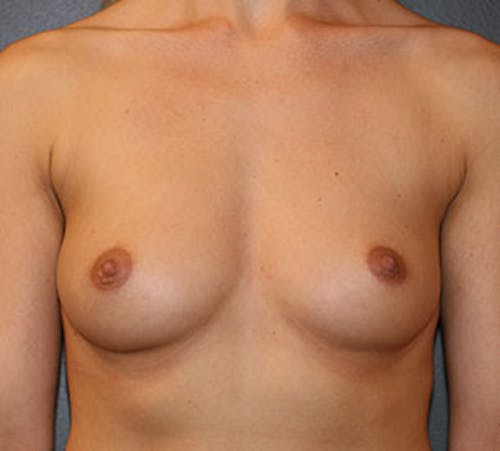
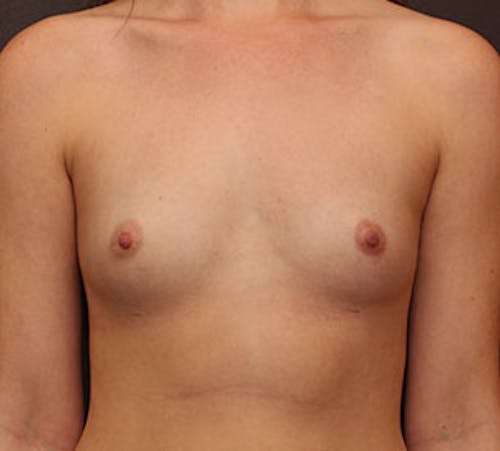
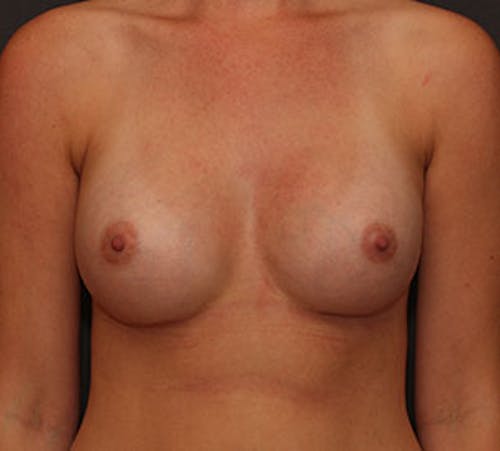
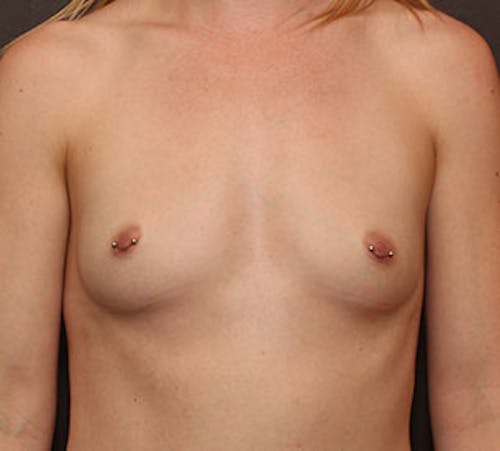
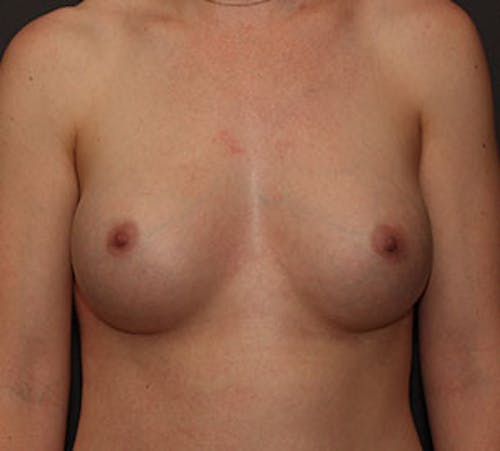
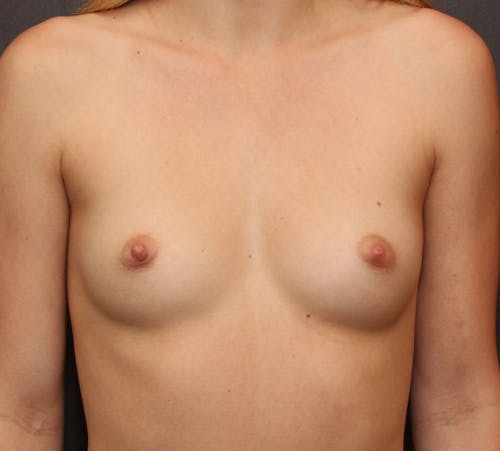
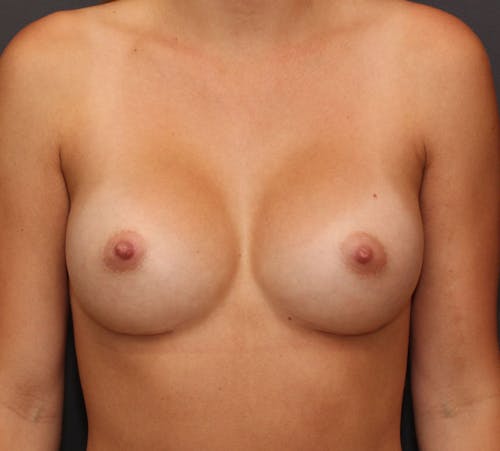
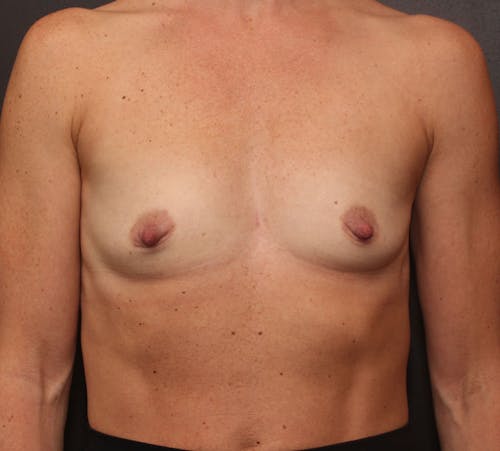
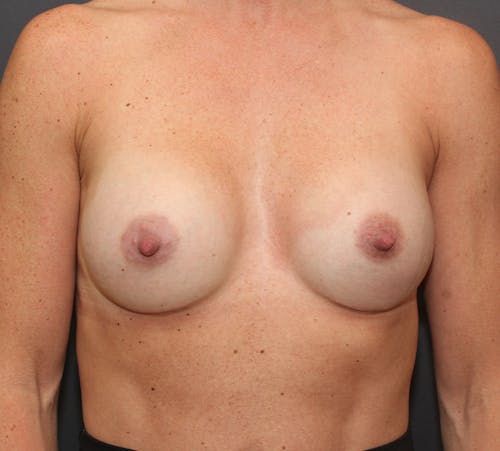
Warning:
This gallery contains nudity. Please click OK to confirm you are at least 18 years of age and are not offended by this material.
View Our Results Explore Gallery
Explore Gallery

Why Choose Bay Area Aesthetic Surgery for Breast Augmentation in San Francisco?
When it comes to any type of cosmetic procedure, choosing the right surgeon can mean the difference between a good result and an extraordinary one. Dr. Liu and the SVIA® team are passionate about improving the female profile and have distinguished themselves in breast surgery, as evidenced by their thousands of happy clients in the San Mateo and San Francisco areas and beyond. They are efficient and use minimally invasive techniques that ensure the least amount of scarring and downtime without sacrificing stunning results. Our team’s conservative approach ensures that nipple sensation and breast sensitivity are preserved during breast augmentation.
A Safe, Accredited Setting for Breast Augmentation
Established in 1996, the San Mateo Surgery Center offers state-of-the-art outpatient facilities in an accredited and technologically advanced setting known for its serenity and privacy. Clients receive the highest standards of safety and care, just as they would at a local hospital. We work with an experienced team of vetted RNs and medical assistants, all of whom are dedicated to supplying you with a safe, productive and successful surgical experience.
The Breast Augmentation Procedure
Breast enlargement creates larger breasts and improved breast shape with breast implants. Breast implants are medical-grade devices that have an outer silicone shell, the surface of which can be smooth or textured. Their shape can be round or shaped. They contain either silicone or saline fill material. A new type of cohesive silicone implant, sometimes called "gummy bear implants," contains denser silicone gel.


Financing
We are aware that securing the proper financing is an important part of any procedure. Insurance does not typically cover breast augmentation treatment sought out for cosmetic reasons, although if a patient is undergoing the procedure due to reconstruction after breast cancer, there may be exceptions. Please check with your healthcare provider. In the meantime, our friendly patient coordinator will work with you to figure out the best payment options for your needs.
Some of the lending companies we work with include:
- Prosper Healthcare Lending
- CareCredit
- United Medical Credit
Breast Augmentation FAQ
What Is the Difference Between Breast Augmentation and a Breast Lift With Implants?
Is breast augmentation part of a Mommy Makeover?
Can I combine breast augmentation with liposuction?
What are my options if I want smaller, perkier breasts instead?
What Is the Difference Between Breast Augmentation and a Breast Lift With Implants?
Breast augmentation alone adds volume; it does not reposition breast tissue that has begun to sag. A breast lift with implants (augmentation-mastopexy) is needed when sagging, or ptosis, accompanies a desire for more volume.
Dr. Liu and Dr. Tom Liu evaluate two clinical signs during consultation to determine which procedure fits a patient's anatomy:
- Nipple position relative to the inframammary fold (IMF). If the nipple sits at or below the IMF, augmentation alone will not correct the position, and a lift is typically recommended alongside implants.
- Degree of ptosis. Mild ptosis, where the nipple sits close to but above the fold with minimal loose skin, can sometimes be addressed with implants alone by adding fullness that fills out the skin envelope. Moderate to severe ptosis, where breast tissue and the nipple hang well below the fold, generally requires the additional lifting and tissue repositioning of a mastopexy.
Patients who are unsure which category applies to them can review our dedicated Breast Augmentation with Lift page or bring reference photos to their consultation so their SVIA® surgeon can map the right combination of procedures to their goals.
Is breast augmentation part of a Mommy Makeover?
Yes, breast augmentation is often included in a customized Mommy Makeover plan. This combination procedure is designed to restore your pre-pregnancy body and may include tummy tuck, liposuction, and breast procedures. Your surgeon will tailor the plan based on your goals and anatomy.
Can I combine breast augmentation with liposuction?
Absolutely. Many patients choose to combine breast augmentation with liposuction to achieve more balanced, contoured results. This approach can help enhance overall proportions and reduce recovery time by addressing multiple areas in a single surgery.
What are my options if I want smaller, perkier breasts instead?
If you're seeking a smaller, lifted appearance instead of enhanced volume, a breast reduction may be a better fit. This procedure removes excess tissue and reshapes the breast, often including a lift for a youthful contour.